Concrete Pumping

  • Sidewalks
  • Curb and gutter
  • Patio slabs
  • House slabs
  • Pool decks
  • Concrete pumping (3/8" to 1-1/2")
  • Hard-to-reach locations

Grout Pumping

  • Masonry grouting
  • Block wall grouting
  • Form grouting
  • Multi-story grouting
  • Pipeline grouting
  • Rip rap grouting

What Exactly Is Concrete Pumping?

A concrete pump is a tool for conveying liquid concrete. Over more than half a century, concrete pumps have slowly taken over other methods of transferring liquid concrete. It was Friedrich Wilhelm Schwing's company, Schwing GmbH, that invented the twin-cylinder hydraulic concrete pump in 1957 — a design principle still used as the worldwide standard today.

The pump works with one piston drawing liquid concrete into a cylinder from a hopper while the other simultaneously pushes concrete out into the discharge pipes. A valve switches which cylinder is drawing and which is discharging each time the pistons reach their end point, keeping a continuous flow of concrete moving.

Concrete pumps were particularly important in revolutionizing the construction of large high-rise buildings — previously, cranes lifted buckets of roughly 2 cubic yards at a time. A modern concrete pump can move over 50m³ per hour to the top of today's tallest buildings.

Advantages of Pumping Over Crane & Bucket

  • Much larger volume placed per hour — a crane manages around 12m³/hr; a pump can exceed 50m³/hr.
  • Constant flow — pumps move concrete as fast as a truck mixer can discharge into them.
  • Fewer wasted man-hours — no waiting on a skip to travel up and back down.
  • The crane stays free for delivering steel, scaffolding, and other materials instead.
  • Concrete placed exactly where you want it, via a placing hose or dedicated placing boom.
  • Lower labor costs — fewer people needed to distribute the concrete once placed.
  • Quicker setup — a mobile pump can extend its outriggers and boom and be pumping within the hour.

Types of Concrete Pumps

Mobile Pump: A truck-mounted pump with an integrated placing boom, ranging from under 20 meters to over 60 meters of reach — popular across the widest range of construction projects for its speed and minimal labor requirements.

Stationary Pump: Mounted on a trailer with a separate pipeline run to the pour location — ideal when the pump needs to sit far from the placement point, such as tunneling or high-rise work.

Truck Mounted Static Pump: A static pump on a truck chassis without a boom — perfect for quick jobs where running a pipeline is the only option, such as a backyard extension.

Truck Mixer Concrete Pump: Combines a pump, boom, and concrete storage/transport all in one mobile package.

On The Job

Concrete Pumping Across the Valley

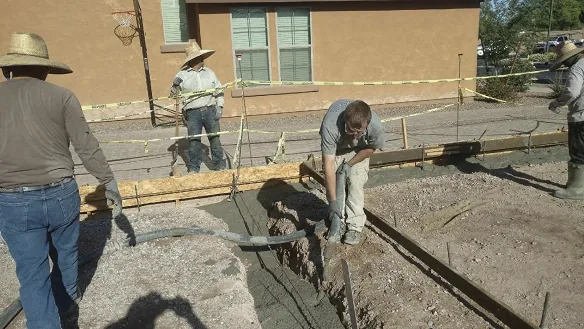
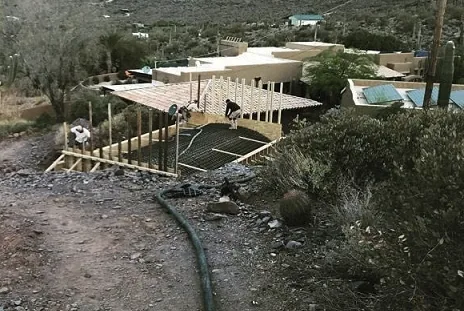
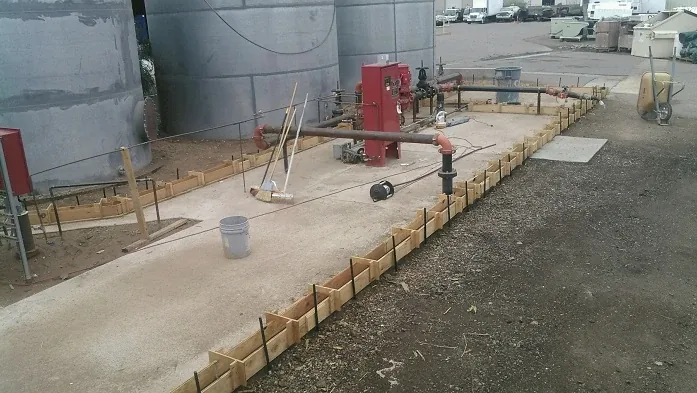
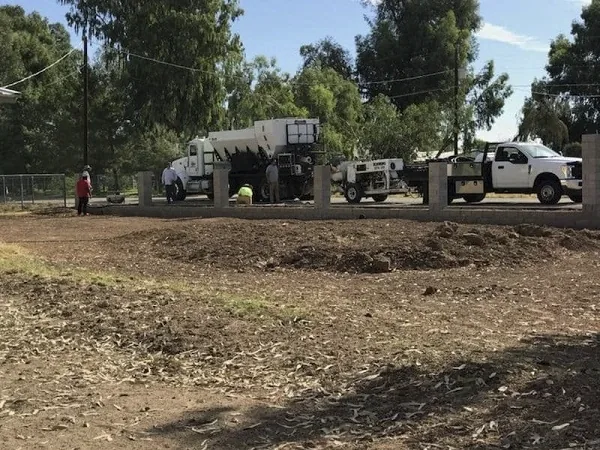
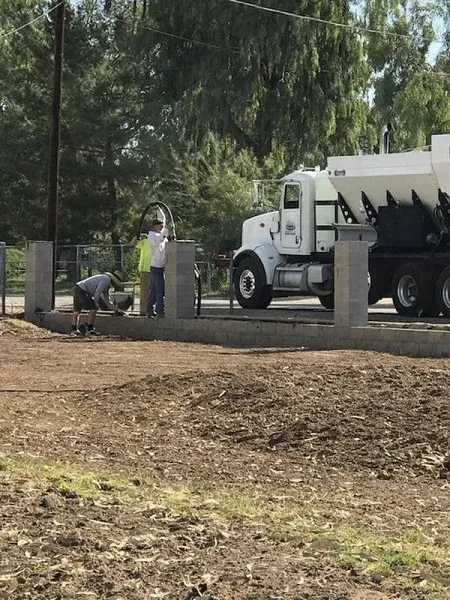
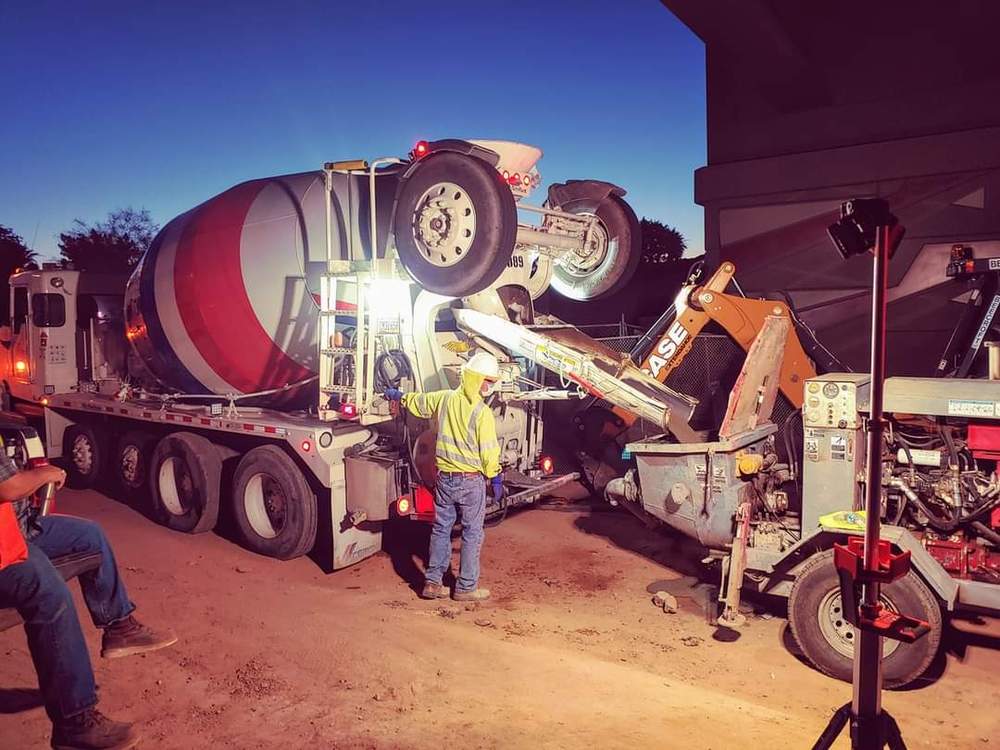
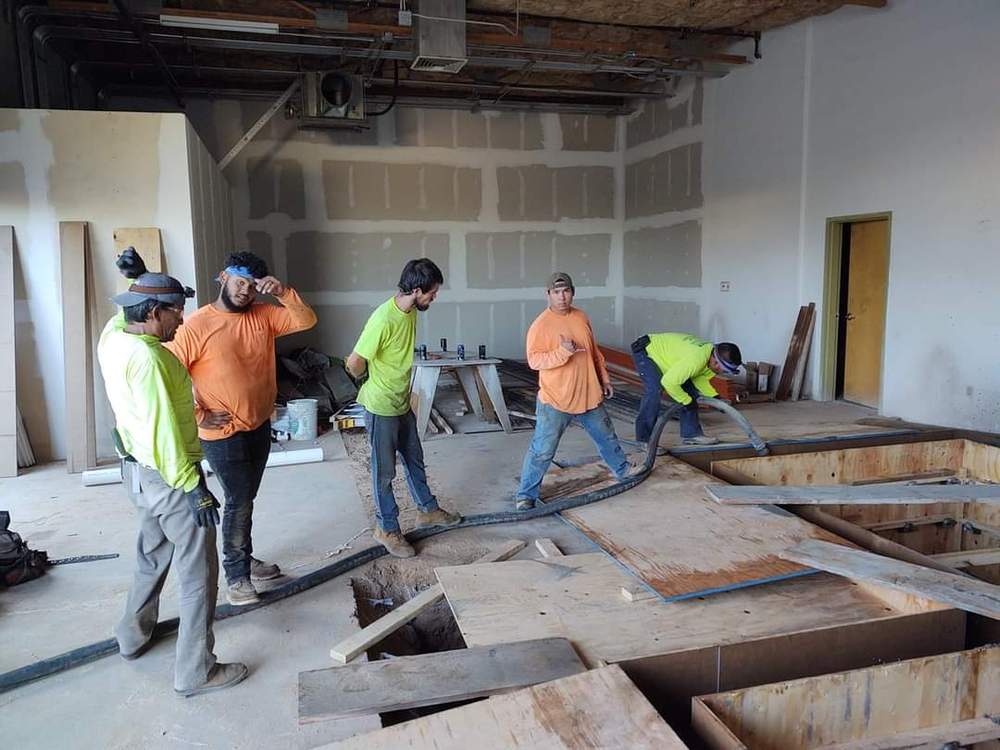
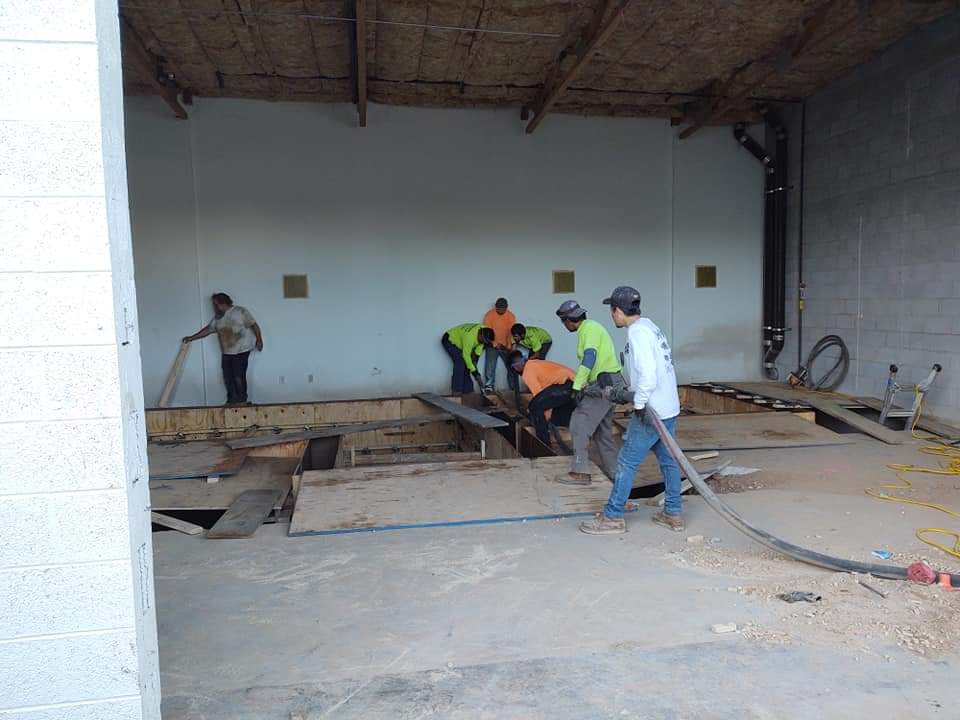
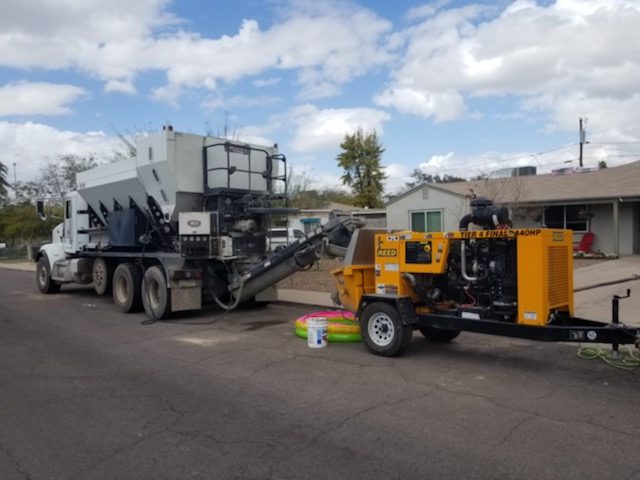
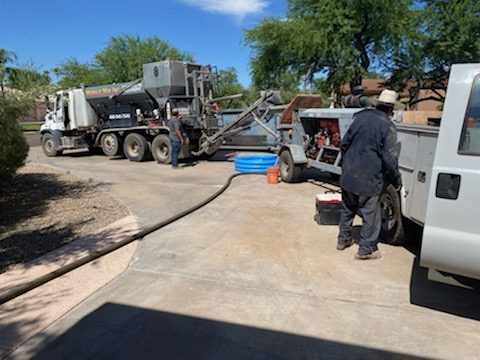
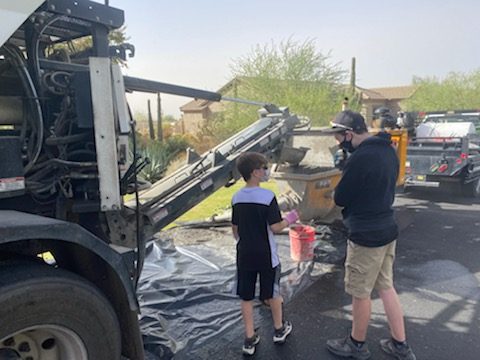
Concrete pump filling a residential footing form Concrete pump line running up a steep desert hillside Concrete slab pump setup at a commercial site Line pump trailer staged for a slab pour Concrete pump truck grouting a block wall Ready-mix concrete truck feeding a line pump at dusk Crew pumping concrete inside a commercial building Interior floor forms being filled during a commercial pour Volumetric mixer truck feeding a line pump trailer Concrete pump truck at a residential driveway Close-up of a concrete pump chute at a job site

Concrete Pumping Locations

Concrete Pumping Near You

Mobile Mix's ACPA-certified pump crews serve job sites throughout the greater Phoenix metro area, including:

Concrete Pumping Phoenix Concrete Pumping Chandler Concrete Pumping Mesa Concrete Pumping Gilbert Concrete Pumping Scottsdale Concrete Pumping Tempe Concrete Pumping Ahwatukee Concrete Pumping Queen Creek Concrete Pumping San Tan Valley Concrete Pumping Apache Junction Concrete Pumping Cave Creek Concrete Pumping Fountain Hills Concrete Pumping Guadalupe Concrete Pumping Laveen Concrete Pumping Paradise Valley

Need a pump on site?

Call now to schedule concrete or grout pumping anywhere in the greater Phoenix area.

☎ 480-940-7540